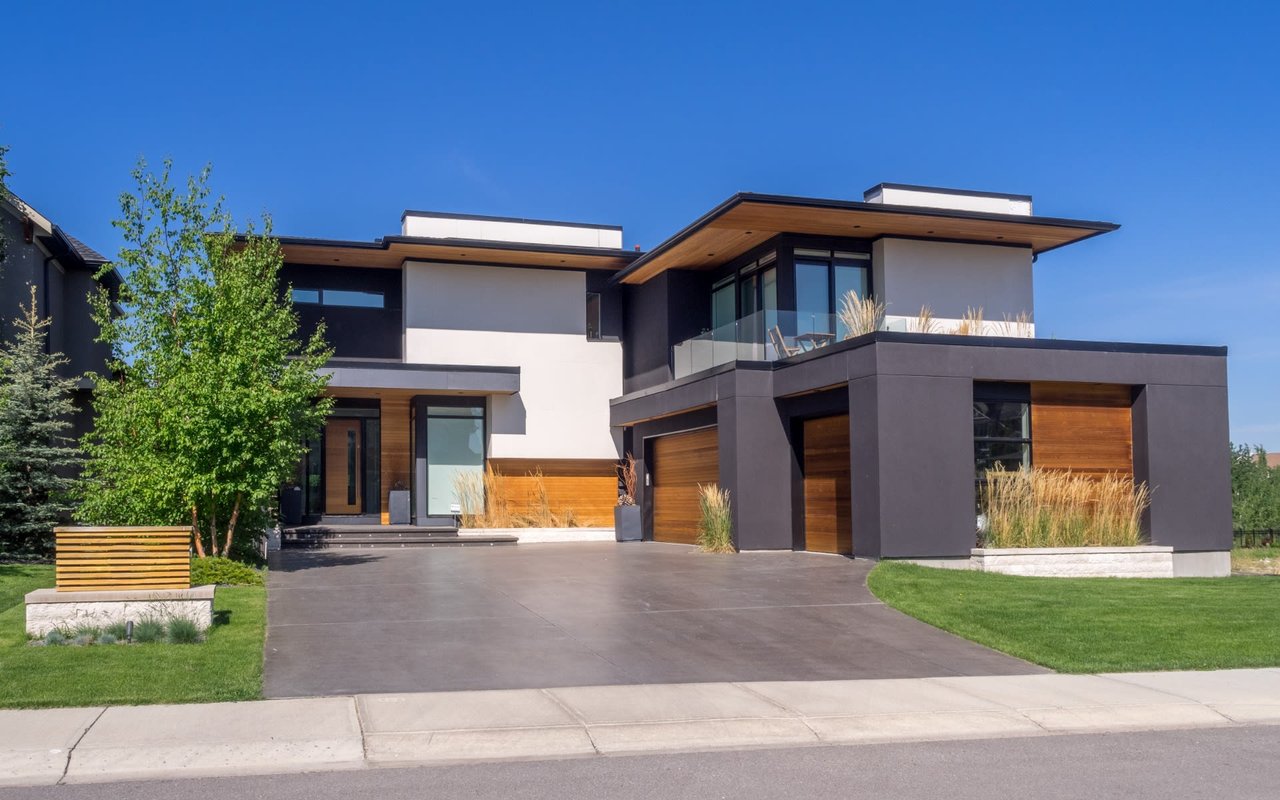
West Jordan Housing Market: Why 3 Price Tiers Matter
Vir Singh July 7, 2026
Vir Singh July 7, 2026
Two numbers describe the West Jordan market this spring, and they do not agree. The Zillow Home Value Index put the typical West Jordan home at $522,648 in May 2026, down 2.9% year over year. Local MLS reporting for the same window pegged the median closed sale at $565,000, with unsold inventory asking $582,900, up nearly 7% from a year earlier. A buyer reading either figure in isolation walks in with the wrong map.
The gap is not a rounding error. It is what happens when a single citywide statistic is asked to describe a city that contains a 1970s brick rambler on a quarter-acre near 7000 South, a 2008 Jordan Hills two-story on a 6,000-square-foot lot, and a 2024 Sky Ranch townhome under the Oquirrh foothills. Those three homes trade in three different sub-markets. They rarely compete for the same buyer, they respond to different rate environments, and they are moving in different directions right now.
Utah is a non-disclosure state, which means sale prices are not part of the public record the way they are in most of the country. Algorithmic estimates lean harder on comparable inventory to fill the gap. In a city where the housing stock spans five decades and three price tiers, the algorithm has an unusually hard job. The citywide median is the byproduct.
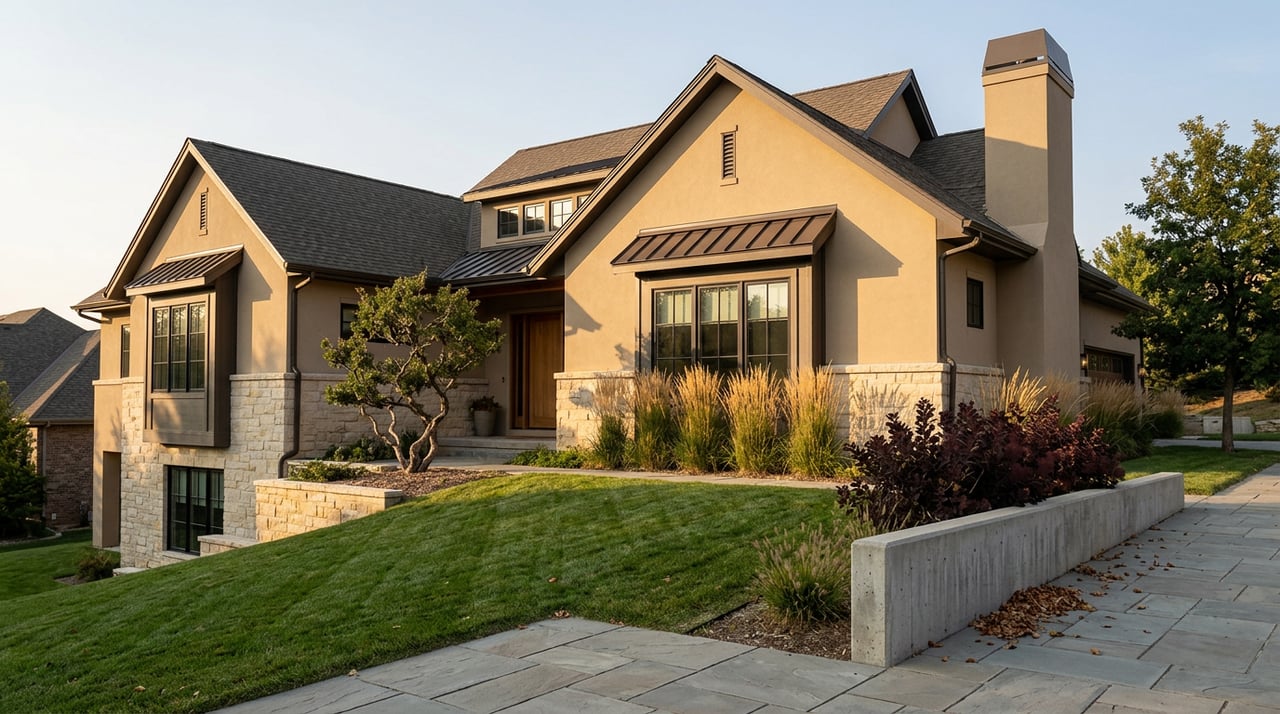
Everything east of Bangerter Highway, roughly bounded by 7000 South to the north and 9000 South to the south, is where the older housing stock sits. Ramblers, split-entries, and modest two-stories from the 1970s and 1980s dominate. Lots are larger than what newer communities offer, mature trees are common, and the buyer pool skews toward move-up families willing to trade updated finishes for square footage and yard.
This is the tier where the citywide "down 2.9%" softness is most visible. Homes in this segment sat, on average, closer to the 49-day mark that Redfin reported for city inventory in early 2026, and sale-to-list ratios compress fastest here when rates move against buyers. It is also the tier where a competent renovation still creates real spread between purchase price and post-rehab value, because the ceiling in the surrounding neighborhood is set by a slowly turning cohort of long-tenured owners rather than by a builder's price sheet.
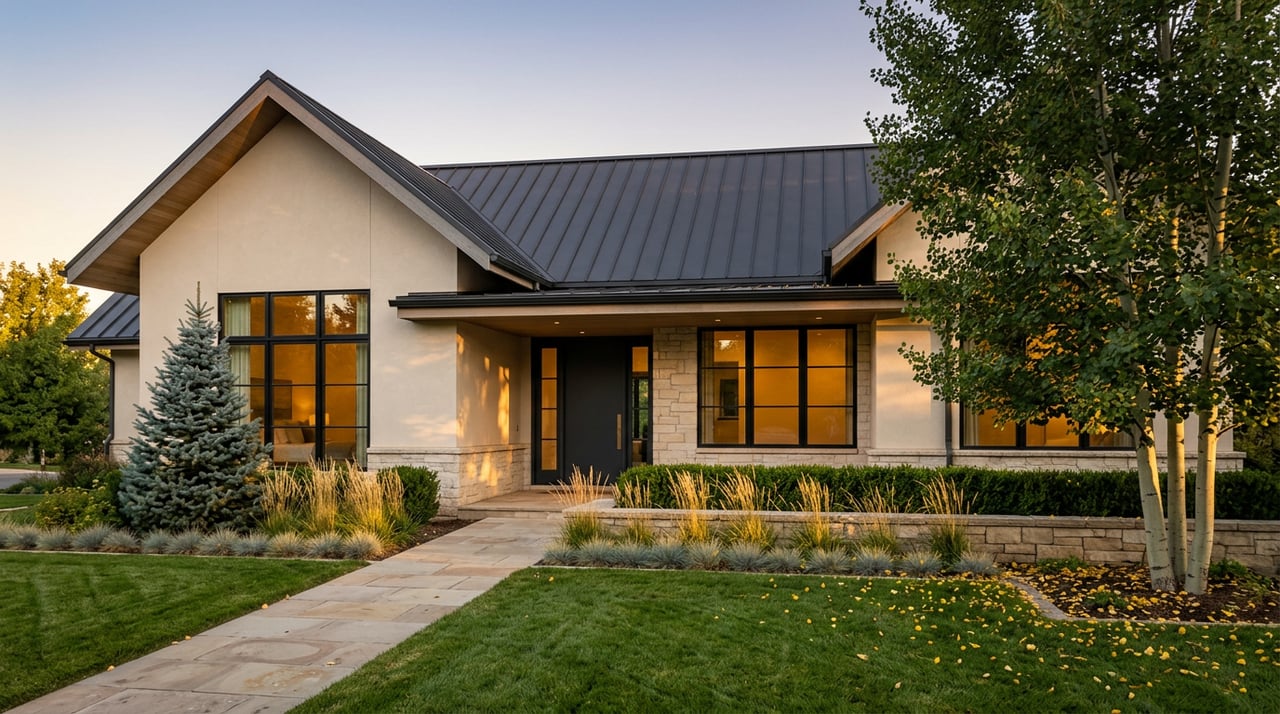
Jordan Hills, Boulder, Terraine, and the mid-2000s tracts along 5600 West are the middle tier. Homes here are typically 2,400 to 3,600 square feet, built between roughly 2005 and 2015, on lots that traded density for a garage bay and a finished basement. Buyer demand in this belt is the reason the citywide sale-to-list ratio holds at 99.6% and closed medians sit near $565,000.
This is the segment that is genuinely competitive right now. A well-kept 2010 family home in Jordan Hills is what most out-of-area relocators picture when they type "West Jordan homes" into a search bar, and it is the product that clears fastest. The 24-day median time on market for the city as a whole is dragged low by this tier. Central-West-Jordan sellers who look at that 24-day figure and expect the same speed for a 1978 rambler with original bathrooms are reading a number that was never about their house.
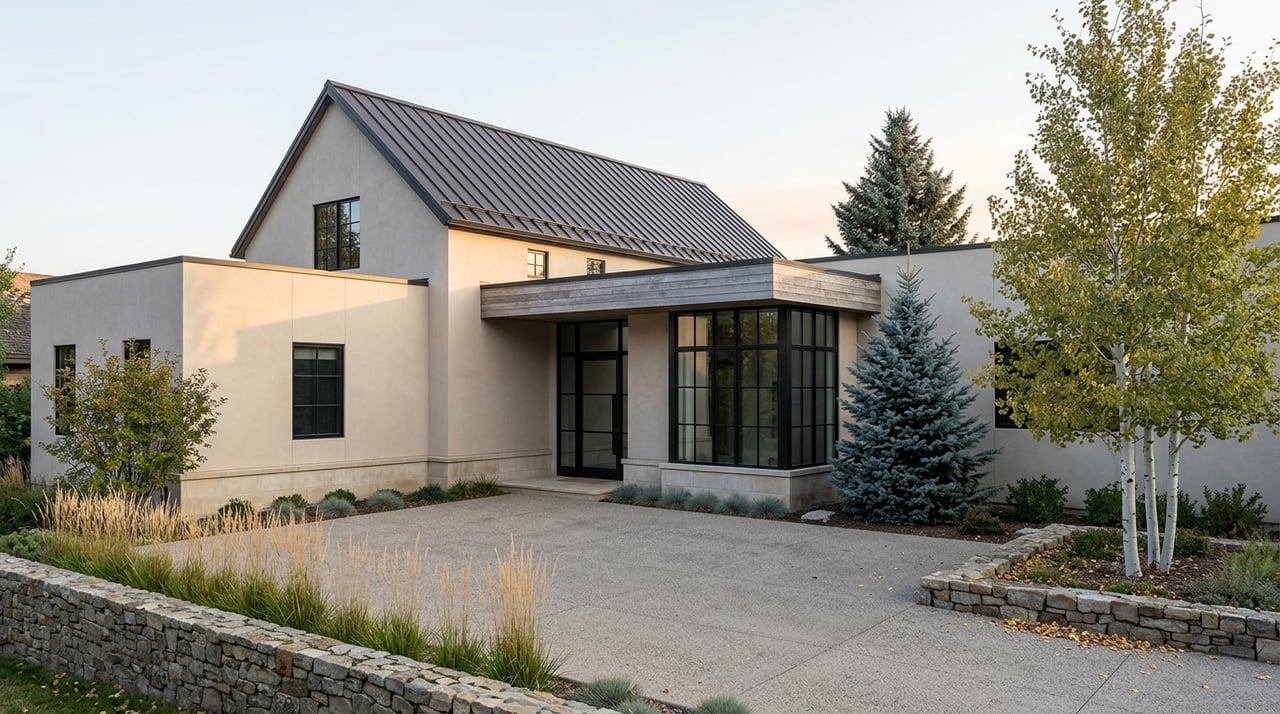
West of Mountain View Corridor, the city changes character again. Sky Ranch, Oquirrh West, Oquirrh Shadow, Hyde Point, Aurora Heights, and Parkside at Stone Creek are the addresses driving new-construction volume, built by Holmes Homes, Ivory Homes, Garbett Homes, and Liberty Homes on land that was gravel and sage a decade ago. KUTV reported in May 2026 that a few hundred acres of undeveloped land remain on the west side, most of it already zoned for housing, commercial, or industrial use. The city's Community Development office lists more than 3,000 residential dwellings already approved and in some stage of development.
This is the tier where the unsold-inventory asking price of $582,900 lives. Builder base prices, incentive structures, and the pace of new deliveries all pull the median up on the list side, while the buyers of those homes are competing more with the sales office than with resale down the street. A resale seller in Oquirrh West is often trying to price into a market where a comparable floor plan two streets over is available new, with a rate buydown attached. That is not a market where "the West Jordan median is $565,000" tells you anything useful.
The pricing pressure on that third sub-market is not just supply. A slower story has been running in parallel. In May 2026, the City of West Jordan formally announced Trader Joe's at 7800 South 5600 West, a location residents had been requesting for years. Route 92 Medical, a neurovascular device company, has committed to a stroke-research headquarters in the city that is expected to bring more than 100 life-sciences jobs. Universal Technical Institute is opening a campus at the former Shopko site in 2027, teaching aviation maintenance, automotive, and diesel programs. The city also has a transit-oriented development proposed near City Center Station at 7800 South Redwood Road, and a Residential Overlay District that incentivizes higher-density housing in existing commercial zones.
None of this shows up in the last-twelve-months median. All of it changes the underwriting on the west side. A townhome in Oquirrh West that is a five-minute drive from a Trader Joe's and a fifteen-minute drive from a new life-sciences employer is not the same asset it was 18 months ago, even if the sale price on paper is flat.
Because Utah is non-disclosure and the housing stock is this varied, three specific problems show up at the deal table:
For a seller, the practical implication is that the pricing conversation has to start with a comp set drawn from the same sub-market, not from a city report. For a buyer, it means the "West Jordan is down 3% year over year" headline is only true for part of the city and is actively wrong for the west-side new-build frontier, where the reset is on the way up.
Is West Jordan cheaper than Sandy or South Jordan for a reason? West Jordan inventory typically sits 15% to 30% below comparable homes in Sandy, Holladay, or South Jordan. The discount reflects older housing stock in the east half of the city, longer distances to the East Bench amenity corridor, and a school and lifestyle profile that leans family-suburb rather than legacy suburb. It is a value gap, not a defect, and it narrows as you move toward the newer west-side communities.
Why does my Zestimate keep changing? Non-disclosure limits the sold-price data feeding AVMs. When a nearby home closes and the price does eventually surface through MLS reporting, the model recalibrates. Expect more volatility on older, unique properties than on tract homes in a builder community.
Is now a good time to sell a west-side new-build? That depends less on the citywide trend than on which builder is still delivering in your subdivision and at what price. If active builder inventory in your community is priced above your target and incentives are heavy, resale is harder. If deliveries have wound down, resale gets easier.
If you are trying to price a sale, underwrite a purchase, or think through a renovation in any of West Jordan's three sub-markets, Kingswell Estates can walk the specific block, the specific comp set, and the specific numbers with you. Let's connect.
Stay up to date on the latest real estate trends.




Get assistance in determining current property value, crafting a competitive offer, writing and negotiating a contract, and much more. Contact Vir today to discuss all your real estate needs!